Unraveling Dough Myths: What Every Baker Should Know
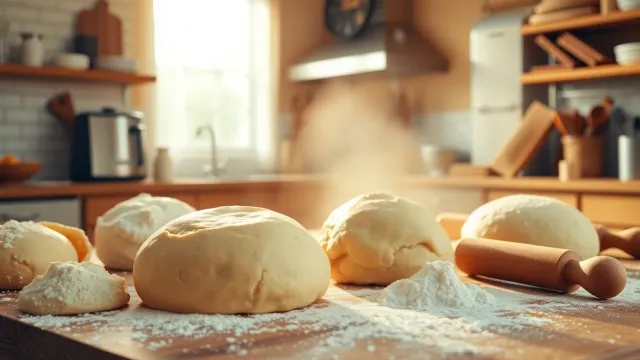
Think your dough-making skills are top-notch? Discover the myths that might be holding you back from baking perfection!
Sponsored by “It Could Be You”
Inquiry: contact@mychefgpt.com
Unraveling Dough Myths: What Every Baker Should Know
Baking can often feel like a mystical art form, where a pinch of this and a dash of that can lead to a culinary masterpiece—or a complete flop. One of the most misunderstood aspects of baking is the dough itself. With so many myths swirling around, it’s time to debunk them and elevate your baking game!
Dough myths span various types of baking, from misconceptions about pie crusts and bread to concerns about raw dough safety. You might have heard that dough needs to remain clumpy for flakiness or that gluten magically forms over time without any kneading. Let’s dive into these myths and see how understanding them can enhance our baking techniques and alleviate unnecessary worries.
The Clump Conundrum: Does Dough Need to Be Clumpy?
One of the most prevalent myths is that dough must remain clumpy for flakiness. While it’s true that a flaky texture is often desirable, particularly in pastry, the reality is that the process of mixing and kneading plays a crucial role.
When making pie crusts, for example, the goal is to combine the fat and flour without overworking the dough. This helps create that desired flaky texture. However, the dough should not be overly clumpy; instead, it should come together smoothly.
To achieve this, try using a food processor or your fingers to mix the ingredients until they resemble coarse crumbs. Then, add a little cold water until the dough holds together without being sticky.
Gluten: The Misunderstood Protein
Another myth that often arises is that gluten will form naturally over time without any kneading. This is particularly misleading. Gluten is a protein found in wheat that gives dough its elasticity and strength.
While it’s true that resting dough can allow gluten to relax, it doesn’t mean that gluten will magically appear. Kneading is essential for developing gluten. The more you knead, the stronger the gluten strands become, leading to a more elastic dough. For bread-making, this is vital to achieve that perfect rise!
Raw Dough Safety: The Fear Factor
Concerns about the safety of consuming raw dough are valid, but many misconceptions can lead to unnecessary fears. The belief that raw dough is inherently dangerous often stems from the risks associated with consuming raw eggs or flour that may harbor pathogens.
However, not all doughs are created equal. For instance, cookie dough made without eggs can be safe to taste. Additionally, heat-treating flour can eliminate harmful bacteria, making it safer for use in raw applications. Always ensure you’re using high-quality ingredients and understand the risks involved, but don’t let fear deter you from enjoying the process of baking.
The Perfect Pie Crust: Myth vs. Reality
When it comes to pie crusts, many believe that the secret to success lies in the temperature of the ingredients. While it’s true that cold butter creates a flakier crust, the idea that you must use ice-cold water is a myth. Room temperature water can work just as well!
The key lies in the technique: work quickly, handle the dough minimally, and chill the crust before baking to prevent shrinkage.
Enhancing Your Baking Skills
Understanding these myths allows you to approach baking with confidence. Here are a few tips to enhance your baking skills:
- Read Recipes Thoroughly: Before starting, ensure you understand the steps and techniques involved.
- Practice Patience: Baking is a science that requires patience. Don’t rush through the processes.
- Experiment: Don’t be afraid to try new techniques or ingredients. Baking is as much about creativity as it is about precision.
For those looking to delve deeper into the art of baking, consider exploring The Art of Pasta: A Culinary Journey. From dough to deliciousness, there’s always more to learn!
Conclusion
With all the myths surrounding dough, it’s easy to feel overwhelmed. But understanding the truths behind these misconceptions can significantly improve your baking outcomes. Remember, baking is about experimentation, learning, and most importantly, enjoying the process. So roll up your sleeves, embrace the dough, and let your creativity flow!
For more insights and tips, visit MyChefGPT.com and explore the AI cooking experience tailored just for you.
Ready to elevate your baking skills? Visit MyChefGPT.com for more tips and tricks!