Filipino Food 101: A Guide to the Heart of Filipino Cuisine
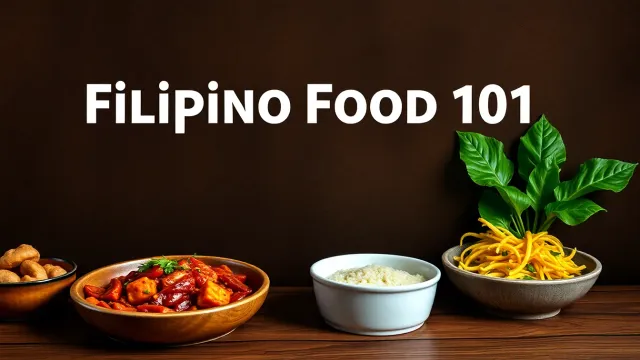
Discover the rich flavors and traditions of Filipino cuisine with easy recipes and insights.
Sponsored by “It Could Be You”
Inquiry: contact@mychefgpt.com
Filipino Food 101: A Guide to the Heart of Filipino Cuisine
Filipino cuisine is a delightful tapestry of flavors, traditions, and stories woven together through generations. From the bustling streets of Manila to the serene beaches of Palawan, each dish tells a tale of cultural heritage, family gatherings, and culinary artistry. If you're eager to explore this vibrant cuisine, you're in for a treat! In this guide, we will dive into the essentials of Filipino food, categorize dishes, and provide you with recipes that are not only easy to follow but also packed with authenticity.
Understanding Filipino Cuisine
Filipino food is often characterized by its bold flavors and unique combinations. It is influenced by a mix of indigenous, Spanish, Chinese, and American culinary practices, resulting in a diverse array of dishes. The beauty of Filipino cuisine lies in its adaptability, with each region offering its own specialties that reflect local ingredients and traditions.
To help you navigate this culinary adventure, we’ve grouped Filipino dishes into five main categories: rice, soups and stews, pulutan (snacks), fiesta food, and sweets. Each of these categories offers a glimpse into the Filipino way of sharing food, which is often centered around communal dining and celebrating life's moments together.
Rice: The Heart of Every Meal
No Filipino meal is complete without rice, often considered the cornerstone of the Filipino diet. Whether it’s steamed rice served with a savory dish or fried rice with vegetables and meat, rice is a staple that complements any meal. Here are some popular rice dishes:
1. Sinangag (Garlic Fried Rice)
A breakfast favorite that’s simple yet flavorful, sinangag is made by frying leftover rice with garlic until golden brown. Serve it with eggs and longganisa (Filipino sausage) for a hearty start to your day.
2. Arroz Caldo (Rice Porridge)
This comforting rice porridge is perfect for any time of the day. Made with chicken, ginger, and a hint of saffron, it’s often garnished with green onions and served with a squeeze of lemon.
3. Paella Valenciana (Filipino Style)
While originally a Spanish dish, the Filipino version of paella incorporates local seafood and meats, making it a festive centerpiece for gatherings. The vibrant colors and rich flavors will surely impress your guests.
Soups and Stews: Comfort in Every Bowl
Filipino soups and stews are known for their hearty and comforting qualities. They are often cooked slowly to allow the flavors to meld beautifully.
1. Adobo
Adobo is arguably the most iconic Filipino dish. It consists of meat (usually chicken or pork) marinated in vinegar, soy sauce, garlic, and spices, then simmered until tender. Each family has its own version, making it a beloved dish across the archipelago.
2. Sinigang (Sour Soup)
This tangy soup is made with tamarind and a variety of vegetables, often combined with pork or shrimp. Sinigang is the epitome of comfort food, perfect for rainy days or family gatherings.
3. Kare-Kare (Oxtail Stew)
A rich and hearty stew made from oxtail, peanut sauce, and vegetables. Traditionally served with bagoong (fermented shrimp paste), kare-kare is a dish that showcases the depth of Filipino flavors.
Pulutan: Snacks for Sharing
Pulutan refers to snacks or appetizers often enjoyed during drinking sessions or casual gatherings. These dishes are perfect for sharing and are sure to spark conversation and laughter.
1. Lumpiang Shanghai (Spring Rolls)
These crispy spring rolls are filled with ground pork, carrots, and spices, making them a favorite at parties. Serve them with sweet and sour sauce for an extra kick.
2. Chicharrón (Crispy Pork Skin)
A crunchy snack made from deep-fried pork skin, chicharrón is often served with vinegar for dipping. It’s a must-try for anyone looking to experience the savory side of Filipino cuisine.
3. Inihaw na Liempo (Grilled Pork Belly)
This dish features marinated pork belly grilled to perfection. The smokiness from the grill, combined with the savory marinade, makes it an irresistible snack.
Fiesta Food: Celebrating with Flavor
Filipinos love to celebrate, and food plays a central role in every fiesta. Here are some festive dishes that are often prepared for special occasions:
1. Lechon (Roast Pig)
Lechon is the star of any Filipino celebration. A whole pig is roasted over an open flame until the skin is crispy and the meat is tender. It’s often served with liver sauce and is a highlight of every feast.
2. Pancit (Noodles)
Noodles symbolize long life and are a staple during birthdays and celebrations. There are many variations of pancit, but pancit canton and pancit bihon are among the most popular.
3. Bibingka (Rice Cake)
A traditional rice cake made with rice flour and coconut milk, bibingka is often enjoyed during Christmas season. Topped with salted eggs and cheese, it’s a delightful treat that brings back fond memories.
Sweets: The Sweet Side of Filipino Cuisine
No meal is complete without dessert! Filipino sweets are often made with coconut, rice, and tropical fruits. Here are some favorites:
1. Leche Flan (Caramel Custard)
This creamy dessert made from egg yolks, condensed milk, and sugar is a must-try. It’s rich, sweet, and perfect for special occasions.
2. Halo-Halo (Mixed Dessert)
A colorful dessert that combines shaved ice, sweet beans, fruits, and leche flan, topped with ice cream. Halo-halo is a refreshing way to cool down on a hot day.
3. Turon (Banana Lumpia)
Turon is a delicious snack made from ripe bananas wrapped in spring roll wrappers and fried until golden. It’s often coated in caramel, making it a sweet and crispy treat.
Cooking Filipino Food at Home
Embarking on your Filipino cooking journey can be both exciting and rewarding. At MyChefGPT.com, you can explore the AI cooking experience to help you navigate recipes, cooking techniques, and tips that will make your culinary adventure enjoyable.
Whether you’re a seasoned chef or a novice, there’s something for everyone in Filipino cuisine. Remember, the key to mastering these recipes is practice and a sprinkle of love. As you cook, take your time to savor each step and share your creations with family and friends.
Conclusion: A Culinary Journey Worth Taking
Filipino food is more than just sustenance; it's a celebration of culture, family, and togetherness. As you explore these recipes and learn about the stories behind them, you'll not only gain culinary skills but also a deeper appreciation for the rich heritage that Filipino cuisine represents. So gather your ingredients, invite your loved ones, and embark on this delicious journey of flavors!
Explore the magic of Filipino cooking and bring the taste of the Philippines to your kitchen. Enjoy the process, and happy cooking!
Dive into the world of Filipino cuisine and let MyChefGPT.com guide you through your culinary journey!